Poland's vegetable and fruit production follows a clear seasonal rhythm shaped by the temperate continental climate. The availability of fresh, locally grown produce changes significantly from month to month. Understanding this cycle is useful for purchasing decisions, food processing planning, and understanding when a particular crop is at its peak quality from domestic sources. The guide below covers the main crops available from Polish fields; greenhouse year-round crops such as tomatoes, cucumbers, and lettuce are noted separately where relevant.
January – March: Storage Crops and Greenhouse Production
During the winter months, fresh Polish produce from outdoor growing is limited to what has been successfully stored from the previous season. Crops in storage at this time include:
- Apples — controlled-atmosphere stores maintain quality for late-season varieties such as Idared, Jonagold, and Ligol through March and often April. Poland's commercial cold storage capacity for apples is substantial, allowing continuous market supply through winter.
- Potatoes — stored in ventilated cellars and professional storage facilities; fresh Polish potatoes remain available throughout winter from the previous harvest.
- Onions — dried and stored post-August harvest; Polish onions are available in storage well into spring.
- Carrots and parsnips — storage root vegetables; quality remains acceptable through February in properly maintained cold storage.
- Cabbage — hard white and red cabbage stores well; also available as processed sauerkraut, which is a significant product of Polish autumn cabbage harvests.
- Celeriac and beetroot — storage vegetables with good winter shelf life under cool conditions.
Greenhouse tomatoes, cucumbers, sweet peppers, and leafy salads are produced year-round in Polish heated glasshouses, with significant concentration in Masovian, Greater Poland, and Łódź voivodeships.
April – May: First Field Crops
The field growing season resumes in April. The first fresh crops from outdoor production to reach markets include:
- Radishes — one of the earliest outdoor crops; available from April in southern regions.
- Spring onions (scallions) — outdoor production begins in April–May; also produced in tunnels from March.
- Asparagus — harvest runs from late April to late June in established plantations. Green and white asparagus are both grown, with white production requiring earthing up. Polish asparagus cultivation is expanding, particularly in the Masovian and Lesser Poland regions.
- Early spinach — outdoor spinach harvest from late April; typically finished by late May as temperatures rise.
- Rhubarb — naturalised in many Polish gardens and small farms; available from late April.
- Tunnel strawberries — begin in late April in Lublin and Masovian regions, typically four to six weeks before field strawberries.
Asparagus harvest in Poland has a hard endpoint: the season closes by St John's Day (June 24th) by traditional convention, allowing the fern to regenerate and build root reserves for the following year. This is observed across commercial Polish asparagus farms.
June: Strawberries, Cherries, and Early Vegetables
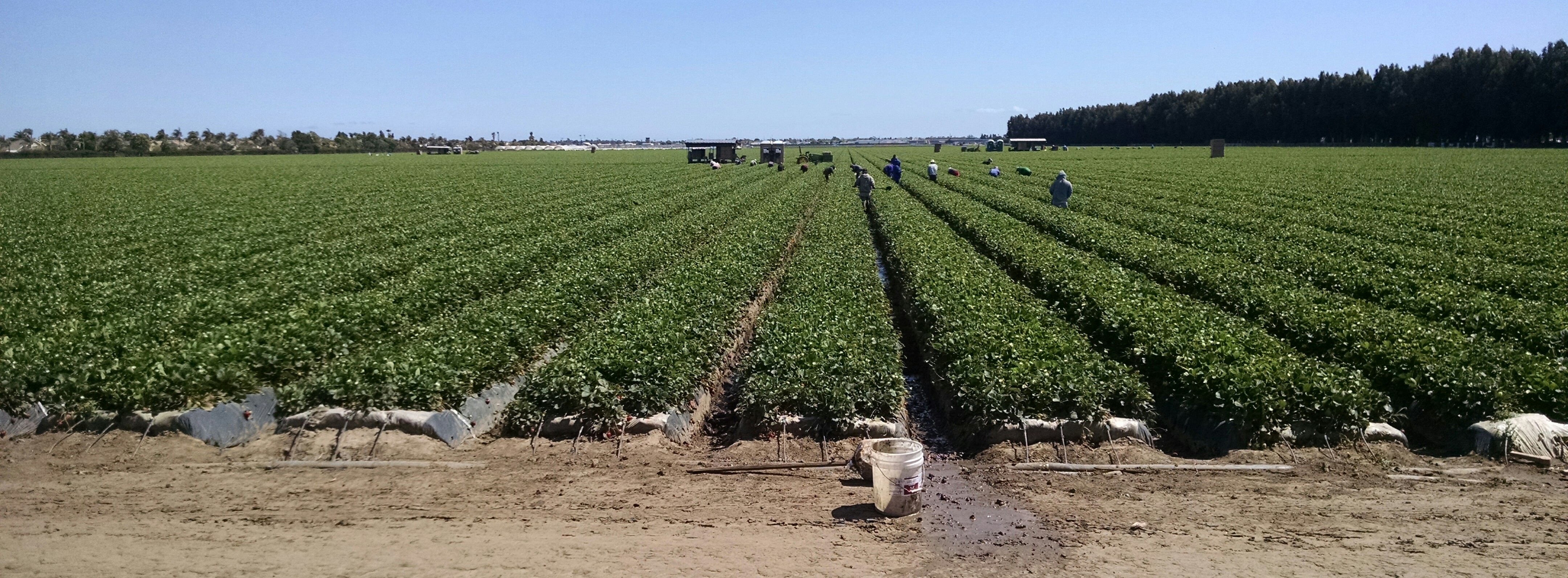
June is the month most associated with Polish soft fruit. Field strawberry harvest in the Lublin region — the national centre of production — runs from late May through June. This is peak season for fresh strawberries from Polish farms, with significant volumes also going to processors for juice, jam, and freezing.
Sour cherries (wiśnia) ripen in late June to early July. They are a culturally important fruit in Poland, used extensively for preserves, juice, and liqueur. The majority of Poland's sour cherry crop is processed rather than sold fresh. Sweet cherries (czereśnia) arrive slightly earlier in the south, with harvest peaking in late June in Masovian and Lesser Poland orchards.
June also marks the beginning of outdoor lettuce and leafy greens harvest, early kohlrabi, and the first outdoor cucumbers from field production (as opposed to greenhouse).
July – August: Full Vegetable Season
These are the most productive months for Polish horticultural output. The range of available produce reaches its broadest point:
| Vegetable / Fruit | Peak Availability | Notes |
|---|---|---|
| Tomatoes (outdoor) | August – September | Peak quality in August; outdoor variety |
| Cucumbers (outdoor) | July – September | Pickling varieties peak July–August |
| Courgettes | July – September | Continuous picking from July |
| Beans (green) | July – August | Both climbing and dwarf varieties |
| Peas (fresh) | June – July | Short season; bulk processed in June–July |
| Sweetcorn | August – September | Both fresh and processing crop |
| Peppers | August – September | Outdoor crop peaks August |
| Raspberries | July – August (summer) / Sept–Oct (autumn) | Poland is major EU producer |
| Blueberries (highbush) | July – August | Growing sector in Pomerania, Greater Poland |
| Plums | August – September | Both fresh and processed; Węgierka variety notable |
| Peaches / Nectarines | August | Limited domestic production; southern voivodeships only |
| Early apples | August | Summer varieties; not suitable for long storage |
| Onions | August | Field-lifted and dried; storage begins |
| Potatoes (maincrop) | August – October | Bulk harvest; storage variety continues to November |
| Carrots | August – October | Fresh and storage varieties |
September – October: Apples, Root Vegetables, and Late Fruit
September is the main apple harvest month for mid-season and late varieties. The Grójec region operates intense picking schedules, with temporary agricultural workers — historically a significant seasonal labour flow from Ukraine and other Eastern European countries — supporting orchard operations. Late apple varieties such as Ligol and Jonagold are harvested into October and placed directly into controlled-atmosphere storage.
Pears have a shorter and earlier season than apples, peaking in August–September. Poland's pear production is smaller in scale than apple output.
Root vegetable harvest — parsley root, parsnip, celeriac, beetroot — is concentrated in September and October. These crops are lifted before the first hard frosts and stored. Leeks, one of the more frost-tolerant vegetables, can remain in the field into November in mild years.
November and Beyond: End of Outdoor Season
By November, outdoor production has ended except for the hardiest crops. Late cabbages grown specifically for sauerkraut are cut and processed in October–November. Sugar beet campaign concludes by November. Brussels sprouts and kale, which are cold-tolerant, may be harvested into December in mild years.
From November, the Polish fresh produce market is supplied by domestic cold storage (apples, root vegetables, potatoes) and greenhouse production (tomatoes, cucumbers, lettuce), supplemented by imports for summer-season commodities that are no longer available domestically.